
 CN
 sales@hisciences.com


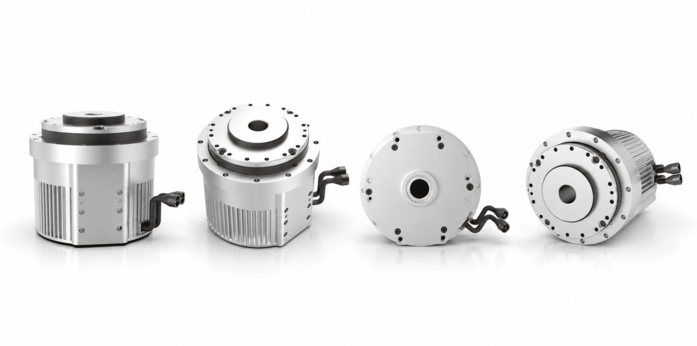
Harmonic joint modules should be selected according to the specific mechanical and motion requirements of each lower limb joint. The hip, knee, and ankle perform different functions and may therefore require different torque capacities, output speeds, dimensions, and control characteristics.
Hip joints generally require higher torque capacity to support leg movement and dynamic loads. Knee joints need suitable torque and motion control for supporting body weight, bending, and extending the leg. Ankle joints require responsive positioning and appropriate torque output to control foot orientation and support balance-related movements.
When comparing modules, engineers should evaluate rated torque, peak torque, output speed, reduction ratio, positioning accuracy, installation dimensions, and weight. Electrical compatibility and communication interfaces should also match the robot's control architecture.
The final model selection should be based on load calculations, motion profiles, joint installation space, and the overall mechanical design. Model-specific specifications should be checked against the corresponding technical datasheet. Where necessary, consult the manufacturer to confirm whether a particular model and configuration meet the application requirements.
Related Product: HISCIENCE Joint Modules
 Back to list