
 CN
 sales@hisciences.com


An ankle joint module contributes to load bearing and balance control by providing controlled joint torque and adjusting foot orientation during standing and walking. It helps the robot maintain the required ankle position and respond to changes in posture and external forces.
During standing, the ankle joint helps maintain foot position and supports adjustments in body posture. During walking, it contributes to controlled foot placement, weight transfer, and push-off movements. Appropriate torque output and responsive position control are important for these actions.
However, balance control is not achieved by the ankle joint module alone. The robot's overall control system needs to coordinate the hip, knee, and ankle joints, using relevant feedback such as joint position and, where available, inertial or force-sensing data.
Therefore, engineers should evaluate the ankle module's torque capacity, motion response, positioning performance, and compatibility with the robot's overall control system.
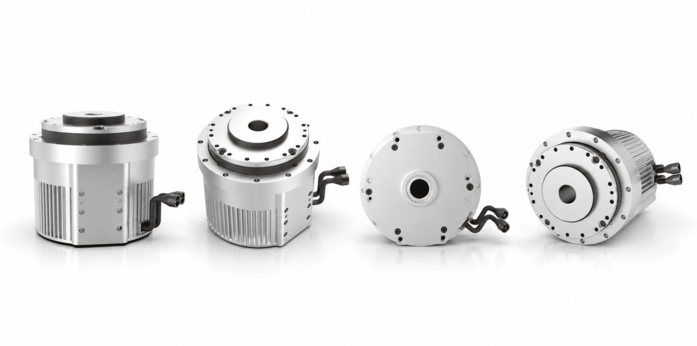
Related Product: HISCIENCE Joint Modules
 Back to list